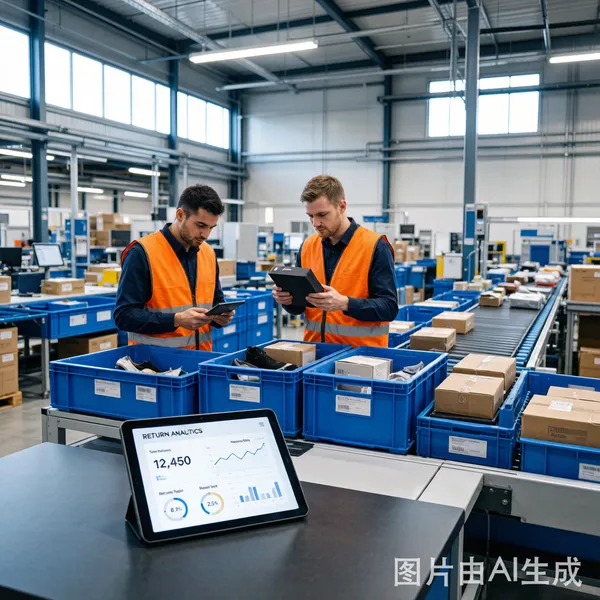
Ecommerce returns are a $800 billion problem globally — but they're also a massive opportunity that most brands are leaving on the table. While many companies treat returns as a pure cost center to be minimized, the smartest operators are using 3PL-powered reverse logistics to turn returns into a competitive advantage.
Why Returns Are Actually a Customer Experience Touchpoint
Think about it: the return process is often the last interaction a customer has with your brand. If it's smooth, fast, and hassle-free, they're likely to buy again. If it's a painful, slow, confusing experience — they're gone forever.
Research consistently shows that customers who have a positive return experience are more likely to make repeat purchases than those who never returned anything at all. The return interaction is a relationship-building opportunity, not just a cost to manage.
3 Ways a 3PL Elevates Your Returns Game
1. Speed: From Weeks to Hours
When returns go to a 3PL with dedicated inspection teams, items get processed in hours, not weeks. The 3PL inspects, grades, and restocks the item — or flags it for liquidation. The customer gets their refund faster. You get sellable inventory back faster. Everyone wins.
2. Quality Control at Scale
A good 3PL return process includes:
- Item inspection against your custom grading criteria
- Repackaging and relabeling for restock-ready condition
- Damage documentation with timestamped photos
- Integration with your returns portal for real-time status updates
3. Value Recovery
Not every return goes back on the shelf. A sophisticated 3PL can triage returns into multiple outcome paths:
- Restock-ready: Inspected, cleaned, repackaged — straight back to sellable inventory
- Refurbish: Minor repairs or repackaging before restock
- Liquidate: Sell to secondary channels, recovering 30-70% of value
- Donate/Recycle: For items not worth recovering, with tax-deductible documentation
The Business Case
For a brand processing 500 returns per month, switching from self-managed returns to a 3PL with inspection, restocking, and liquidation pathways can reduce net return cost by 40-50% — while simultaneously improving customer satisfaction scores and repeat purchase rates.