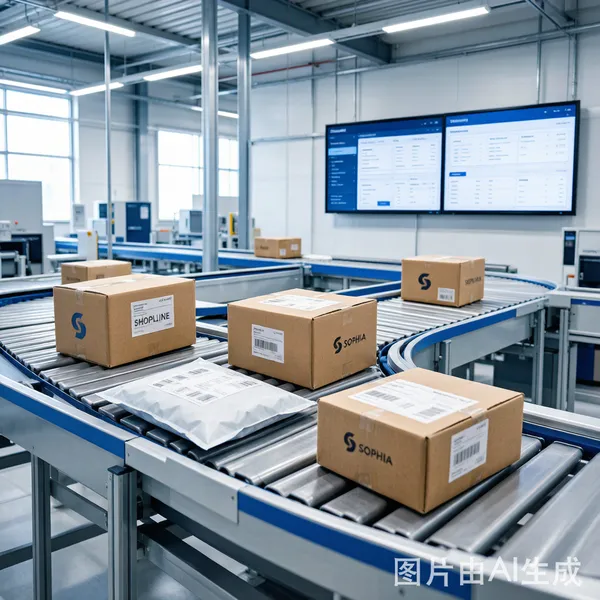
Selling on multiple channels is a proven growth strategy — but it creates a logistics nightmare if you're managing separate inventory pools for each platform. Shopify orders shipped from your own warehouse. Amazon via FBA. TikTok Shop from a pop-up 3PL. Walmart from yet another location. Sound familiar?
There's a better way. Unified multi-channel fulfillment — running all your channels through a single 3PL warehouse — is how some of the fastest-growing DTC brands are scaling efficiently while reducing complexity.
The Multi-Channel Headache (And Why It's Growing)
In 2026, the average mid-market eCommerce brand sells on 3.2 channels. But 67% of them still manage fulfillment across multiple warehouses or fulfillment methods. The result?
- Fragmented inventory visibility — no single source of truth for stock levels
- Higher total inventory holding costs — safety stock duplicated across locations
- Inconsistent customer experience — different packaging, different delivery speeds
- Operational complexity — multiple dashboards, multiple invoices, multiple contacts
How Unified Multi-Channel 3PL Fulfillment Works
1. Centralized Inventory
All your products live in one 3PL warehouse (or a multi-node network managed by one provider). Whether an order comes from Shopify, Amazon (Seller-Fulfilled Prime or Merchant Fulfilled), TikTok Shop, or Walmart, it pulls from the same inventory pool.
2. Channel-Specific Routing Rules
A good 3PL's WMS supports routing rules by channel:
- Amazon: FBA label compliance, palletizing requirements, carrier selection by FC
- Shopify/Walmart: Custom packaging, branded inserts, gift wrapping
- TikTok Shop: 3-day delivery SLA compliance, specific carrier routing
3. Unified Dashboard
One login. One view. See orders from every channel, real-time inventory across all channels, and consolidated performance metrics. No more tab-hopping or spreadsheet reconciliation.
The Real ROI: Beyond Cost Savings
Yes, consolidating to one 3PL reduces costs. But the bigger wins are strategic:
- Launch on new channels faster: Add TikTok Shop or Temu to your fulfillment setup in hours, not months
- Better inventory decisions: With unified data, you can stock less and sell more
- Consistent brand experience: Same packaging quality, same delivery speed, every channel
- Simplified accounting: One invoice, one payment, one reconciliation